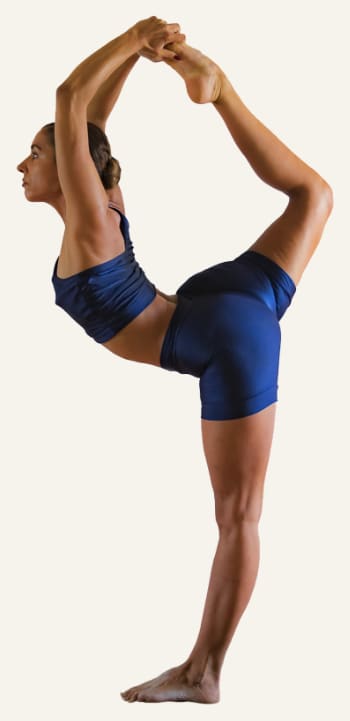
Dancer's pose · Progression
Naṭarājāsana Progression and Key Requirements
One of the most requested poses by my students. A dream pose for many – but one that requires focused preparation.
-
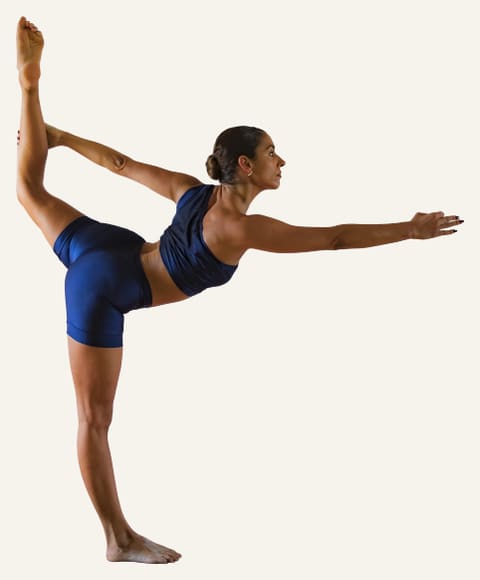
The Balancing Act
Single-leg balance is often underestimated. Because this pose requires strength and flexibility, balance can easily be overlooked – yet it's a fundamental skill. Large muscles are involved in both stabilizing and bending, making balance especially challenging.
Before attempting the full bound pose, make sure you're familiar with its basic (not bound) position.
-
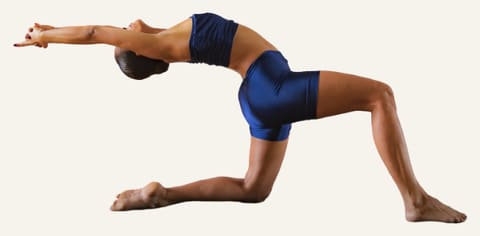
Joint Flexibility Assessment
Ask yourself:
- How flexible are your shoulders in flexion?
- How mobile are your hips in extension and flexion?
- How deep and supported is your backbend?
Depending on your answers, your Naṭarājāsana will look and feel different. Your preparation sequence should reflect your strengths and weaknesses.
-
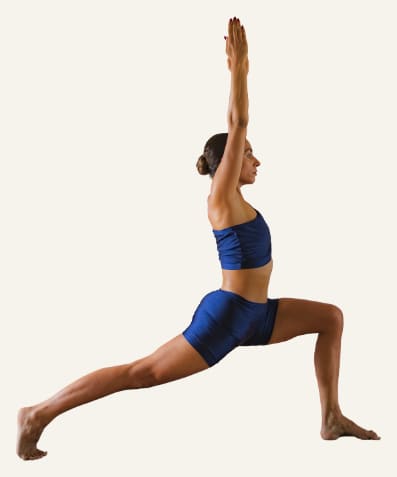
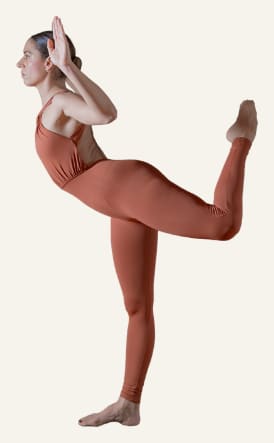
Static Active Flexibility & Stability
This pose is about static active flexibility.
- Both glutes work: one stabilizes the standing leg, the other contracts for hip extension.
- Both quadriceps engage: the standing side to maintain alignment, the working side to extend the knee.
Your entire posterior chain must activate to support the backbend. Don't underestimate the strength this pose demands.
-
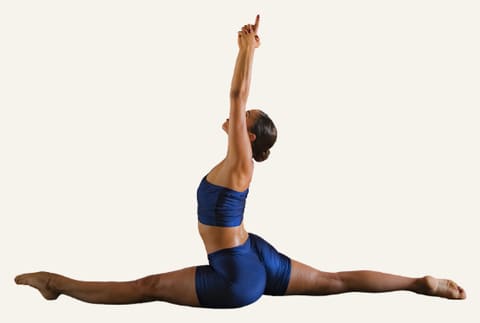
Split Preparation
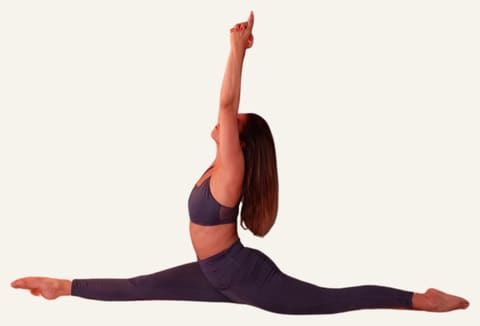
Warming up with lunges and single-leg hamstring stretches will support your range. You don't need a full front split to access the pose – if your spine and shoulders are mobile, you can still approach it effectively.
-
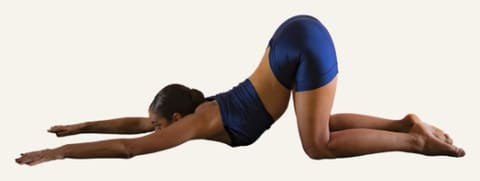
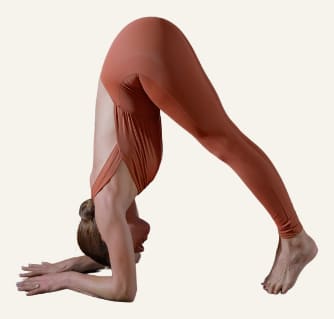
Shoulder Flexibility
Any grip-flipping pose helps improve shoulder flexion. Still, it's essential to work on it progressively:
- Start with puppy pose (on mat, wall, or blocks)
- Progress to dolphin pose
This lays the foundation for deeper overhead arm positions.
-
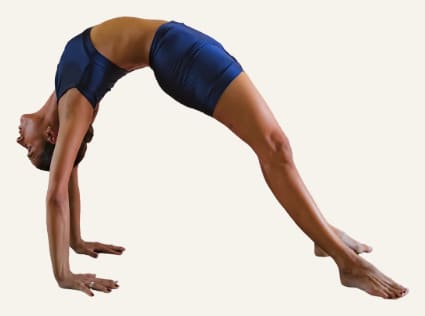
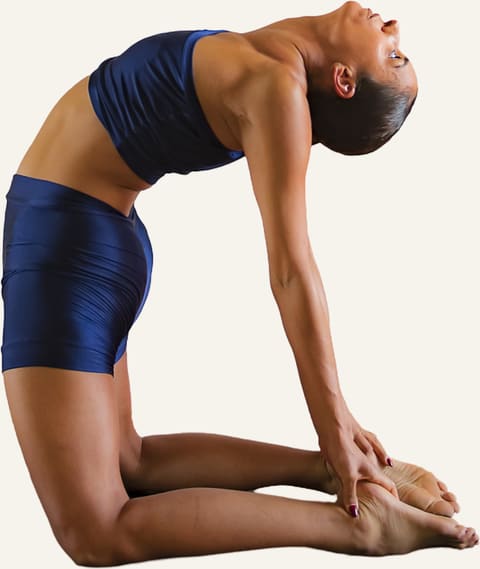
Backbend Preparation
Strong spinal extension is key. Practice:
- Cobra
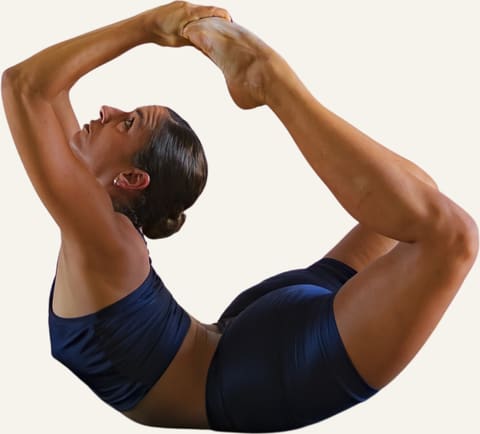
- Bow
- Camel
- Wheel
Focus on expanding the ribcage and finding length through the spine, rather than collapsing into the lower back. Wheel is especially useful for combining shoulder flexion with backbending.
-
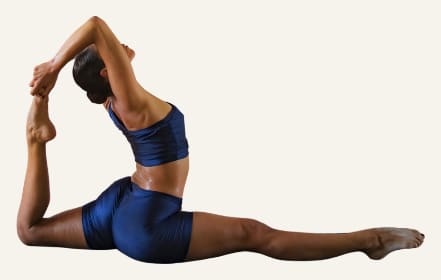
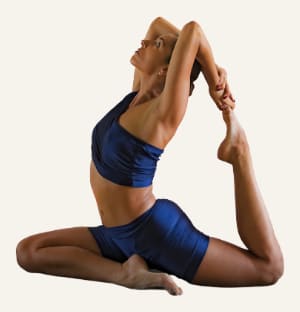
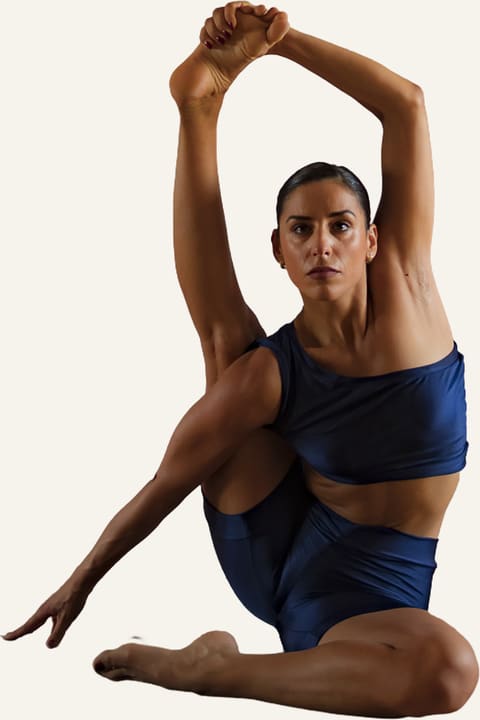
Grip Flipping
Choose any pose you feel comfortable flipping your grip in – it can be:
- Tiger pose
- Pigeon pose
- Split pose
- Lunge
- Sphinx pose
Use a strap to assess how close you are to holding your foot. If you're comfortable flipping with the strap, try without. Master grip flipping before moving into the full pose.
-
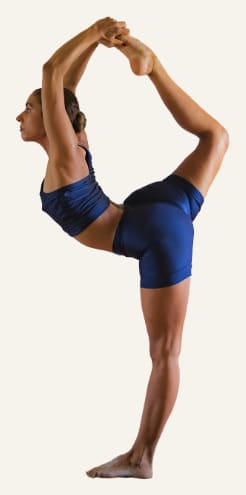
The Full Expression
Start with a strap – then try without. Lift the leg high. Slightly bend the knee of the standing leg. Grab the instep, not just the toes. Carefully flip the grip. Reach back with the opposite hand to hold your leg or arm firmly. Use chalk if your hands sweat – a strong grip is essential.
Relax the neck, breathe, and gradually deepen by pressing your foot into your hand and extending your arms. Find balance. Find peace in the effort.
Need help getting there?
I've guided many students through this pose – step by step. Want help assessing your flexibility and designing your own prep sequence? Book a free call to chat about private classes or personalized support.